
• What is your post‑processing workflow

    At the end of a day of photography, I import everything into Lightroom. My files are stored on disk in a structured, date‑based system organized by year and shooting day. For example, a photo taken on May 15, 2025 at 10:34:14 would be saved as: Images/2025/2025-05-15/REC-20250515_103415.nef“REC” is simply the photographer’s initials. This structure makes it easy to find any image later, no matter how far back it goes.

    For storage, I use three identical drives. I synchronize my primary photo drive to the first backup drive, and then I keep a second backup drive at another location. Every so often, I bring the master drive to that off‑site location and update the backup there. It gives me peace of mind knowing that my entire archive exists in multiple places.
  • Do you share your RAW files or editing presets

    I don’t share RAW files, and I don’t use or distribute editing presets. If I ever create photo‑editing tutorials or a class, I might provide RAW files specifically for learning purposes, but not for general use.

    As for presets, I’ve never been a fan of them. Presets tend to drive the photo, and I prefer to be the one making the creative decisions. For me, the image should come from intention, not from a predefined look.

  • What settings do you typically use for different types of shots

    This is a question I get a lot on field trips. People often ask, “What settings are you using?” and my response is usually, “What are you trying to say? What do you want to bring out in the image?”

    I don’t follow a cookbook of camera settings, nor do I believe in one. The creative idea should drive the camera — not the other way around. Every scene, every subject, and every intention calls for something different. Once you know what you want the photograph to express, the settings naturally fall into place.

  • How do you choose locations for your photos

    A lot of my photography locations happen by chance, but I do have certain themes I’m always on the lookout for. I’m drawn to old buildings that are still in use — places that show a bit of Americana still alive and functioning. I’m also constantly searching for unique landscapes, cityscapes, and oceanscapes.

    Some themes are harder to find, like what I call “lollipop trucks” and other businesses with over‑the‑top façades — airplanes crashing through walls, trucks bursting out of storefronts, anything with a bit of playful exaggeration.

    And because I’m a pilot and love aviation, I’m always keeping an eye out for interesting aviation scenes as well. Many of my favorite images come from simply noticing something unusual or compelling while I’m out exploring.

  • Do you still take on paid work or commissions

    No. Even with the GeoLog iOS app I’m building, I’m not looking to earn anything from it — the enjoyment comes from the work itself. Taking on traditional paid jobs often brings the pressure to create a “perfect” piece of work, along with the stress that comes with meeting expectations, and that’s not the experience I’m looking for anymore.

    That said, if someone approaches me with a project, I’m always open to creating something on my own timeline and offering the finished piece for purchase. In the past, for example, a corporation asked for a body of work for their downtown Boston office, which became the “Boston at Night” series.

    I also enjoy the idea of an occasional, more elaborate photo shoot — discussing the creative goals, the message, and even choosing the right location together. But for me, that’s about the fun of the photographic process, not about returning to professional work.

  • What inspires your photography now

    Now that I’m semi‑retired, I’ve had the privilege and opportunity to travel throughout the United States — exploring state and national parks, as well as the many cities, towns, and communities along the way. I’m constantly taking in the scenery around me and looking for meaningful ways to capture what I discover. The landscapes, the small details, and the sense of place I encounter on these trips continue to inspire the images I create.

  • How has your photography evolved since your professional days

    I never fully considered myself a professional photographer, even though I spent about five years doing part‑time wedding work and took on several commercial assignments. Today, my photography is almost entirely self‑assigned — personal projects, experiments, and ideas I pursue simply because they interest me.

    What’s changed most is the pace and the purpose. I enjoy working slowly now, giving myself the space to explore, refine, and follow creative impulses without deadlines or client expectations. That freedom has helped me reconnect with the expressive side of photography and focus on the images that feel meaningful to me.

  • What camera gear do you currently use and why

    I use a mix of film and digital equipment, mainly from Nikon, Sony, and Hasselblad. For me, the choice is always about creative intent and what each system does best.

    For fast‑paced situations, I usually reach for Nikon or Sony. I have a larger collection of Nikon DSLR lenses, so in many cases the Nikon system is the most practical choice. Most of my moon photographs, for example, are shot with a Nikon paired with the 200–500mm lens and a 1.4× teleconverter.

    When I want maximum detail—such as for architecture or landscape work—I use the Hasselblad 100‑megapixel system. It’s slower to operate, but the resolution and dynamic range are unmatched.

    For more expressive or character‑driven photography, especially portraits, I often choose film. The Hasselblad 500C remains a favorite for its distinctive film look and the tactile experience it brings to the process.

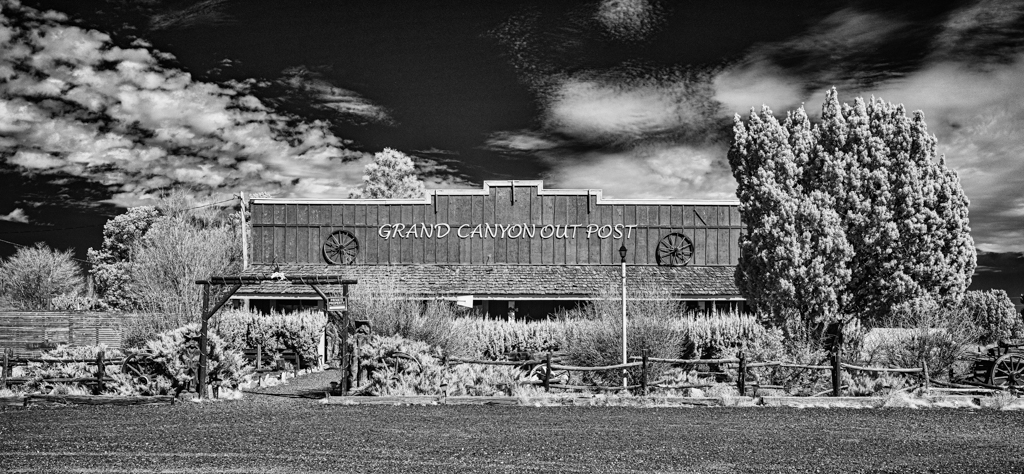
  • The Grand Canyon Outpost, Williams, Arizona

    Along the quiet stretch of U.S. Highway 180 near Williams, Arizona—just south of the entrance to Grand Canyon National Park—sits the Grand Canyon Outpost. Once a trading post serving travelers heading toward the canyon, this building now stands still in time, its rustic wooden siding, wagon wheel trim, and overgrown landscaping echoing an earlier era of western Americana.

    Captured in infrared, this black-and-white image brings out the textures of the aged wood and dramatic Arizona sky. Though parts of the property have been repurposed as loggings, the storefront itself remains a beautifully preserved shell of the past—a symbol of the roadside culture that once defined Route 66 and its surrounding highways.

    This image is part of my ongoing Americana Project, documenting buildings and landscapes that echo past history.

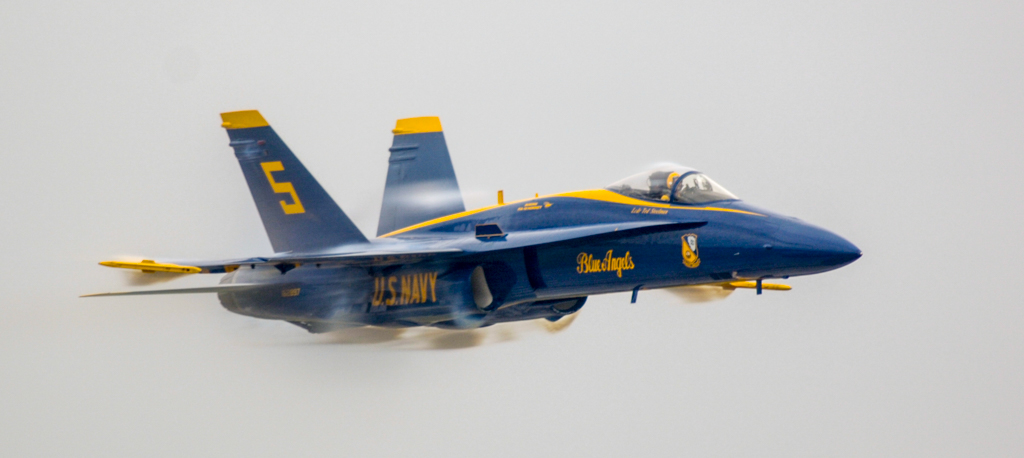
  • Edge of Sound – Blue Angels in Flight

    For several years, I had the privilege of flying into and displaying aircraft at the Westfield International Air Show, held at the Barnes Air National Guard Base. One of the perks of being part of the show was walking the grounds during Friday’s practice day—camera in hand—capturing the behind-the-scenes energy before the crowds arrived.

    That afternoon, the skies were overcast, and I turned my attention to the headliner: the U.S. Navy Blue Angels. Cloud ceilings limited their routine to what they call a “low show,” with aerial demonstrations adapted for altitudes between 4,500 and 8,000 feet. Midway through the performance, the formation broke apart, transitioning into individual aerobatics. Then came the moment that always jolts the audience—a sudden, thundering flyby from Blue Angel #5, screaming low and fast down the runway, seemingly from out of nowhere.

    I returned the next day, skies still gray, this time fully prepared. I waited for that surprise maneuver with my Nikon D2X ready. I managed to fire off a burst of about ten shots—but this one stood out. The lack of visual cues from the obscured ground and sky makes it feel like the image was captured from another jet mid-flight, suspended in a high-altitude moment of speed, precision, and power.