Author: Richard Cox

  • What camera gear do you currently use and why

    I use a mix of film and digital equipment, mainly from Nikon, Sony, and Hasselblad. For me, the choice is always about creative intent and what each system does best.

    For fast‑paced situations, I usually reach for Nikon or Sony. I have a larger collection of Nikon DSLR lenses, so in many cases the Nikon system is the most practical choice. Most of my moon photographs, for example, are shot with a Nikon paired with the 200–500mm lens and a 1.4× teleconverter.

    When I want maximum detail—such as for architecture or landscape work—I use the Hasselblad 100‑megapixel system. It’s slower to operate, but the resolution and dynamic range are unmatched.

    For more expressive or character‑driven photography, especially portraits, I often choose film. The Hasselblad 500C remains a favorite for its distinctive film look and the tactile experience it brings to the process.
  • Edge of Sound – Blue Angels in Flight

    Edge of Sound – Blue Angels in Flight

    For several years, I had the privilege of flying into and displaying aircraft at the Westfield International Air Show, held at the Barnes Air National Guard Base. One of the perks of being part of the show was walking the grounds during Friday’s practice day—camera in hand—capturing the behind-the-scenes energy before the crowds arrived.

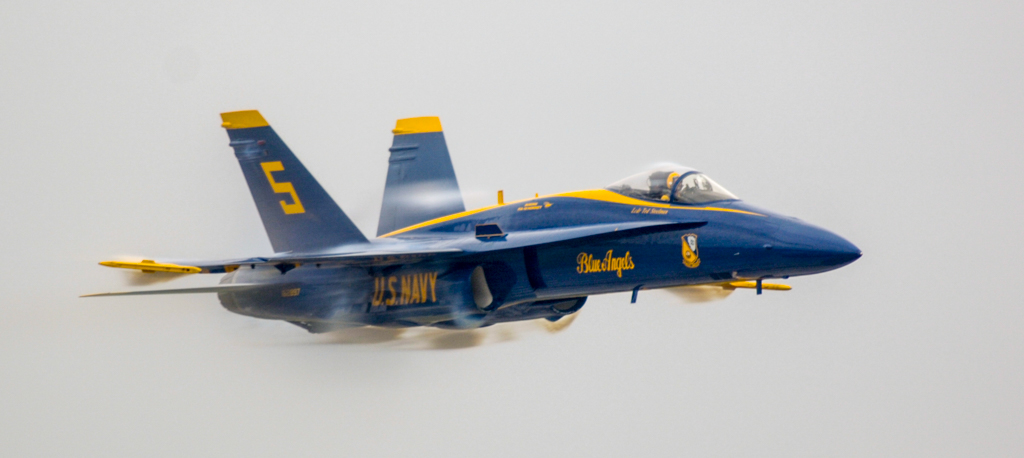
    That afternoon, the skies were overcast, and I turned my attention to the headliner: the U.S. Navy Blue Angels. Cloud ceilings limited their routine to what they call a “low show,” with aerial demonstrations adapted for altitudes between 4,500 and 8,000 feet. Midway through the performance, the formation broke apart, transitioning into individual aerobatics. Then came the moment that always jolts the audience—a sudden, thundering flyby from Blue Angel #5, screaming low and fast down the runway, seemingly from out of nowhere.

    I returned the next day, skies still gray, this time fully prepared. I waited for that surprise maneuver with my Nikon D2X ready. I managed to fire off a burst of about ten shots—but this one stood out. The lack of visual cues from the obscured ground and sky makes it feel like the image was captured from another jet mid-flight, suspended in a high-altitude moment of speed, precision, and power.

  • Nubble Light in Black & White

    Nubble Light in Black & White

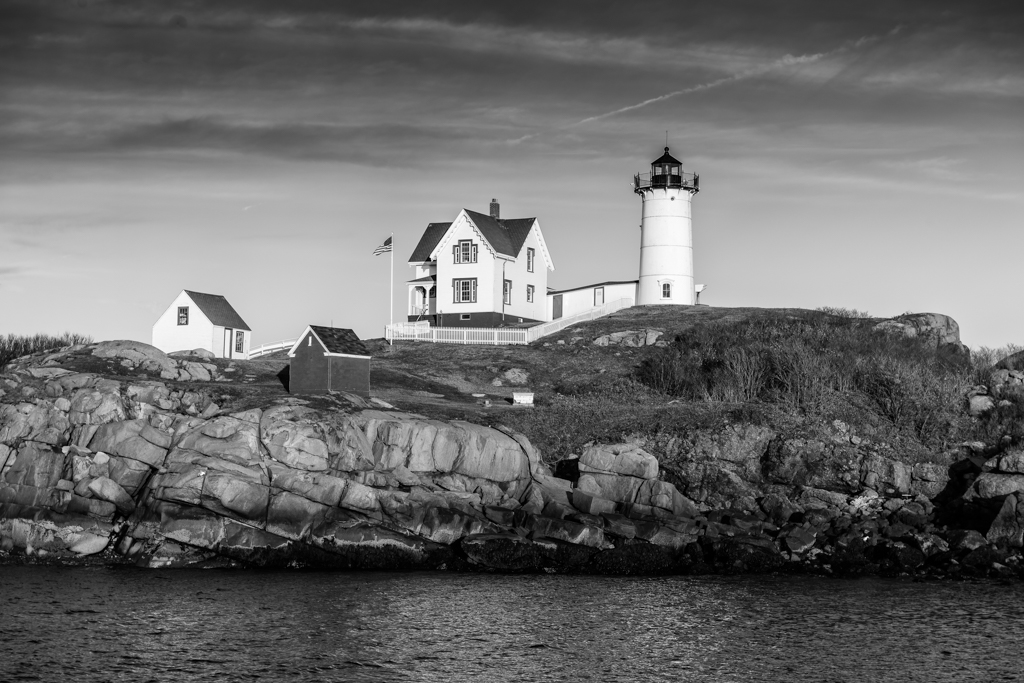
    Perched atop a rocky island just off the coast of York, Maine, Nubble Light stands as one of New England’s most recognizable lighthouses. The American flag adds a subtle sense of movement, a reminder that while the lighthouse no longer needs to guide ships with its beam, it still stands as a symbol—of safety, solitude, and coastal resilience.

    I’ve visited Nubble Light many times, but there’s something about seeing it in monochrome that feels especially classic—like it could have been captured yesterday or a century ago.

  • Looking Down on History

    Looking Down on History

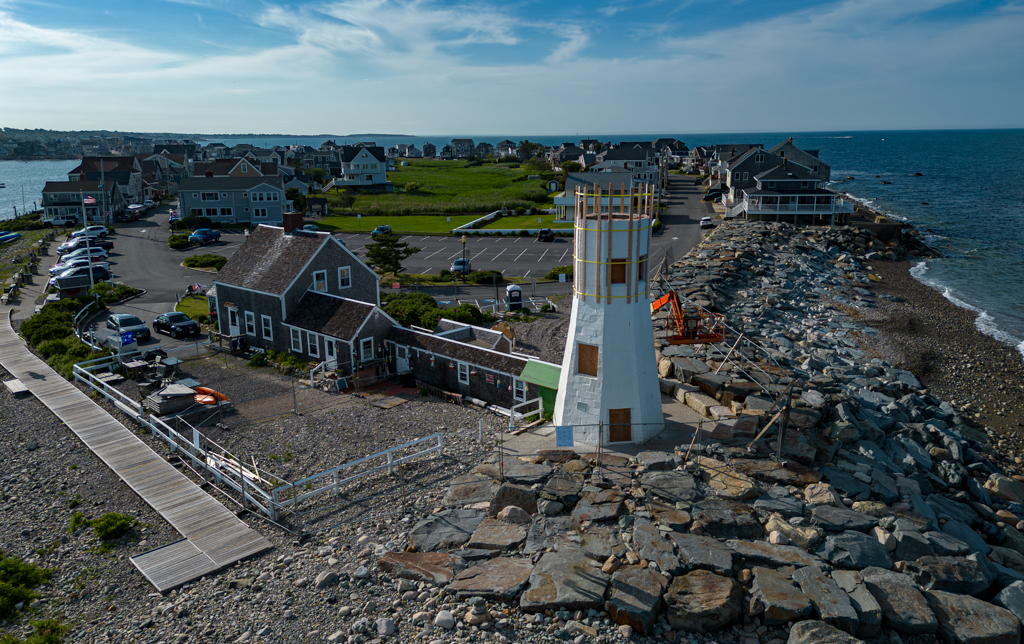
    I’ve been visiting Scituate Light for years — it’s one of my regular bicycle destinations whenever I’m in the Scituate/Humarock area visiting friends and family.

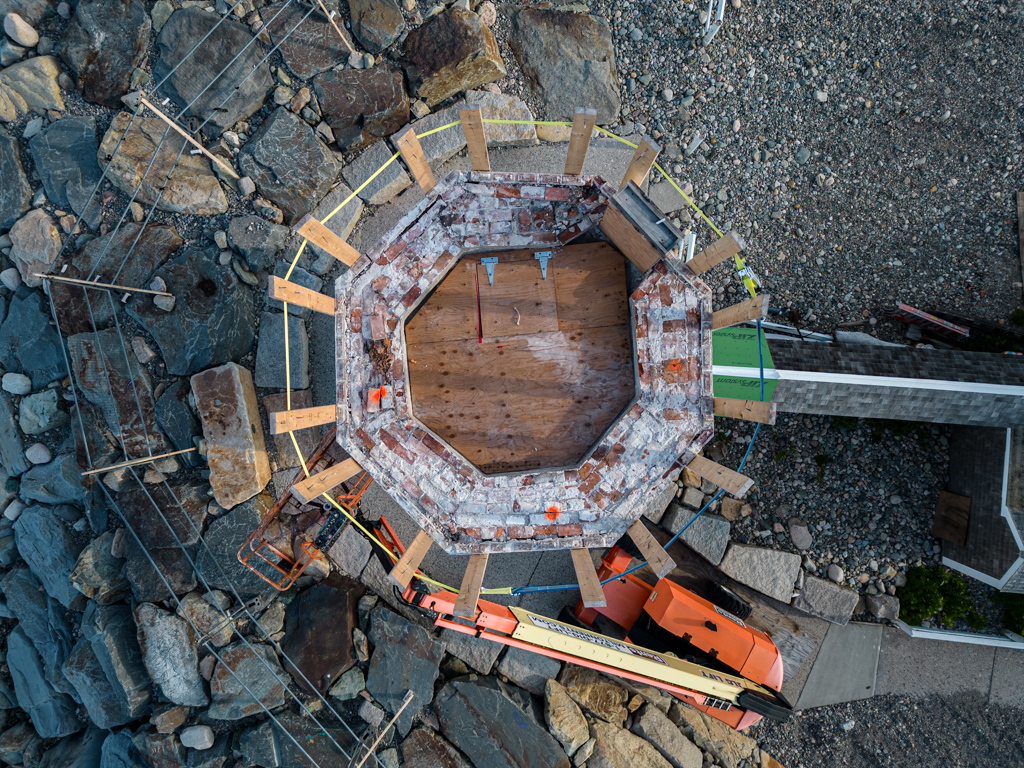
    In 2023 the lighthouse underwent restoration, and I was able to watch the work on the tower as it progressed. I decided to bring my drone down and capture a rare aerial perspective of the lighthouse.

    This overhead view of Scituate Lighthouse under restoration offers an intimate look at a piece of maritime history mid-renewal. Shot directly from above, the image reveals the octagonal tower’s exposed brickwork and the ongoing structural work.

    Scituate Light has stood guard since 1811. With each bolt and board placed during this restoration, it’s being readied to face another century of Atlantic wind and tide.